Our story
No. 17 has been many things.
1931 – now
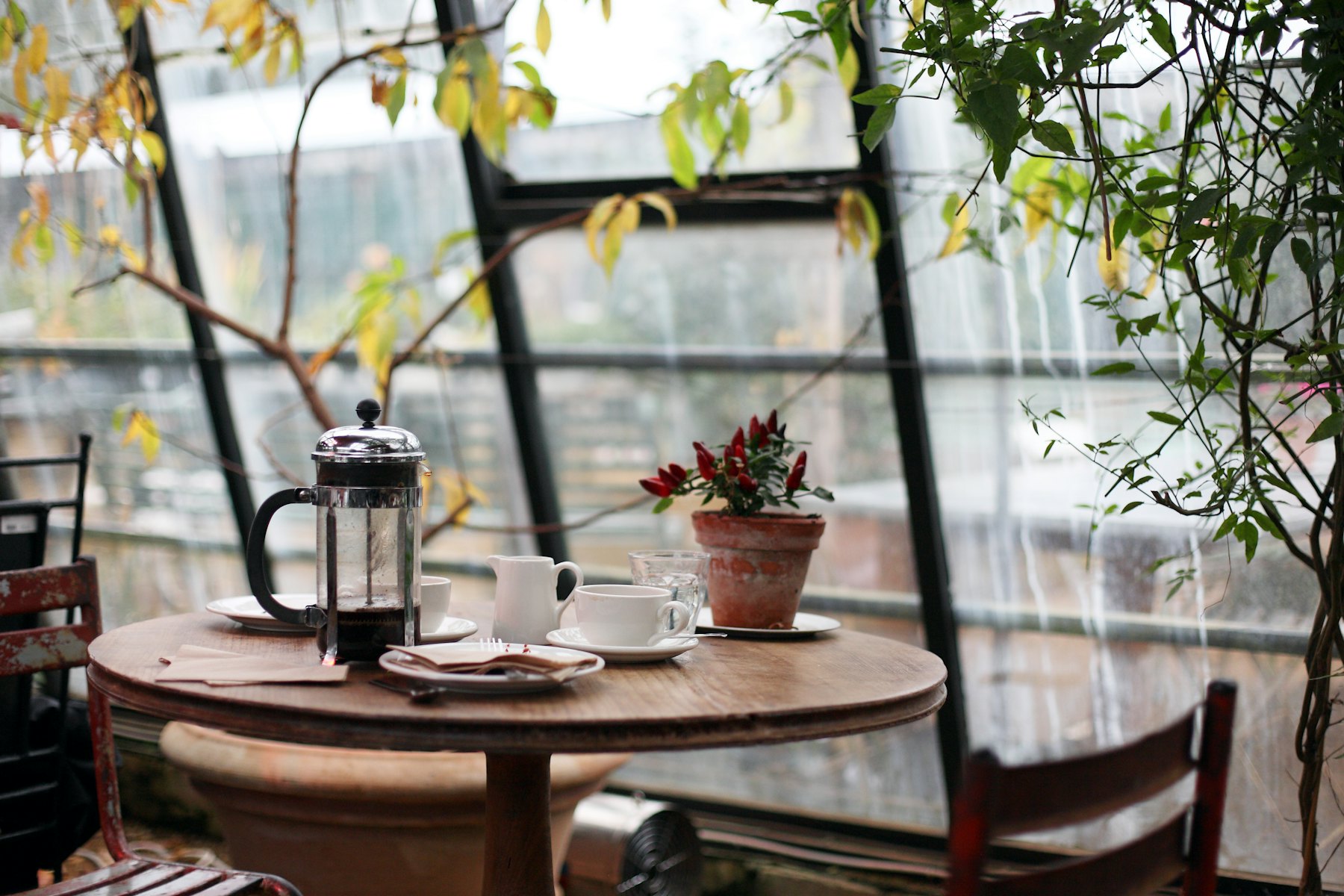
A workshop, a storeroom, a shuttered shopfront, and since 2019, a café.
Chapter one
The workshop
Lim Ah Seng opened a rattan workshop at No. 17 Jalan Sultan in 1931. He wove chairs and baskets in the middle of the house, under the airwell, because it was the only place with enough light to see the cane.
His grandson Daniel grew up hearing about that room. In 2018 the building came up for rent, sealed, damp and full of old shop signs. Daniel called Hana, who had been roasting coffee in her parents' garage in Klang for four years. They signed the lease the following week.
-
Chapter two
A day under the airwell
The light moves through the room all day. So does the menu.
-
The oven goes on
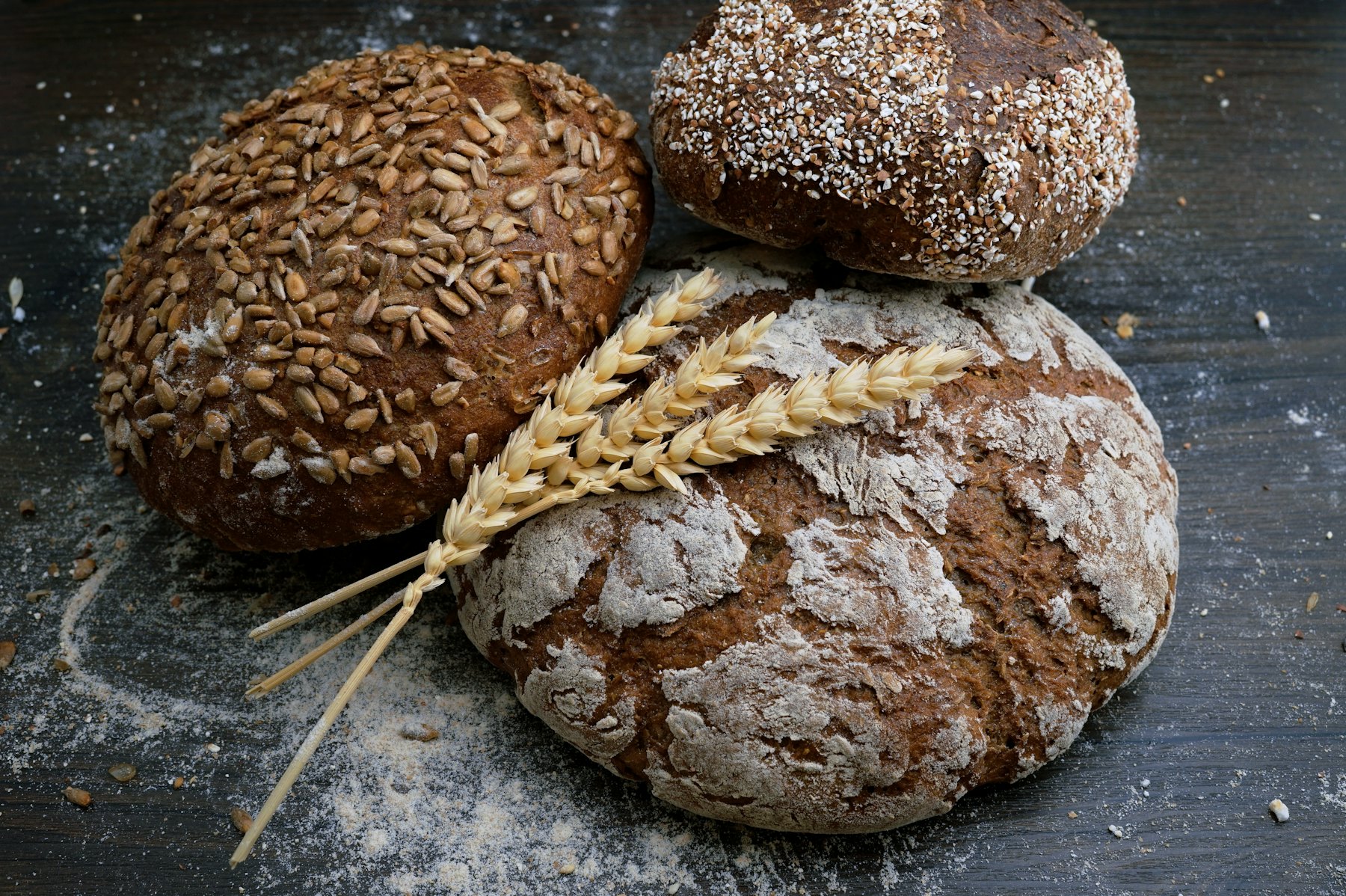
Priya shapes the croissants by torchlight. The cold drip has been running since nine last night.
-
Shutters up
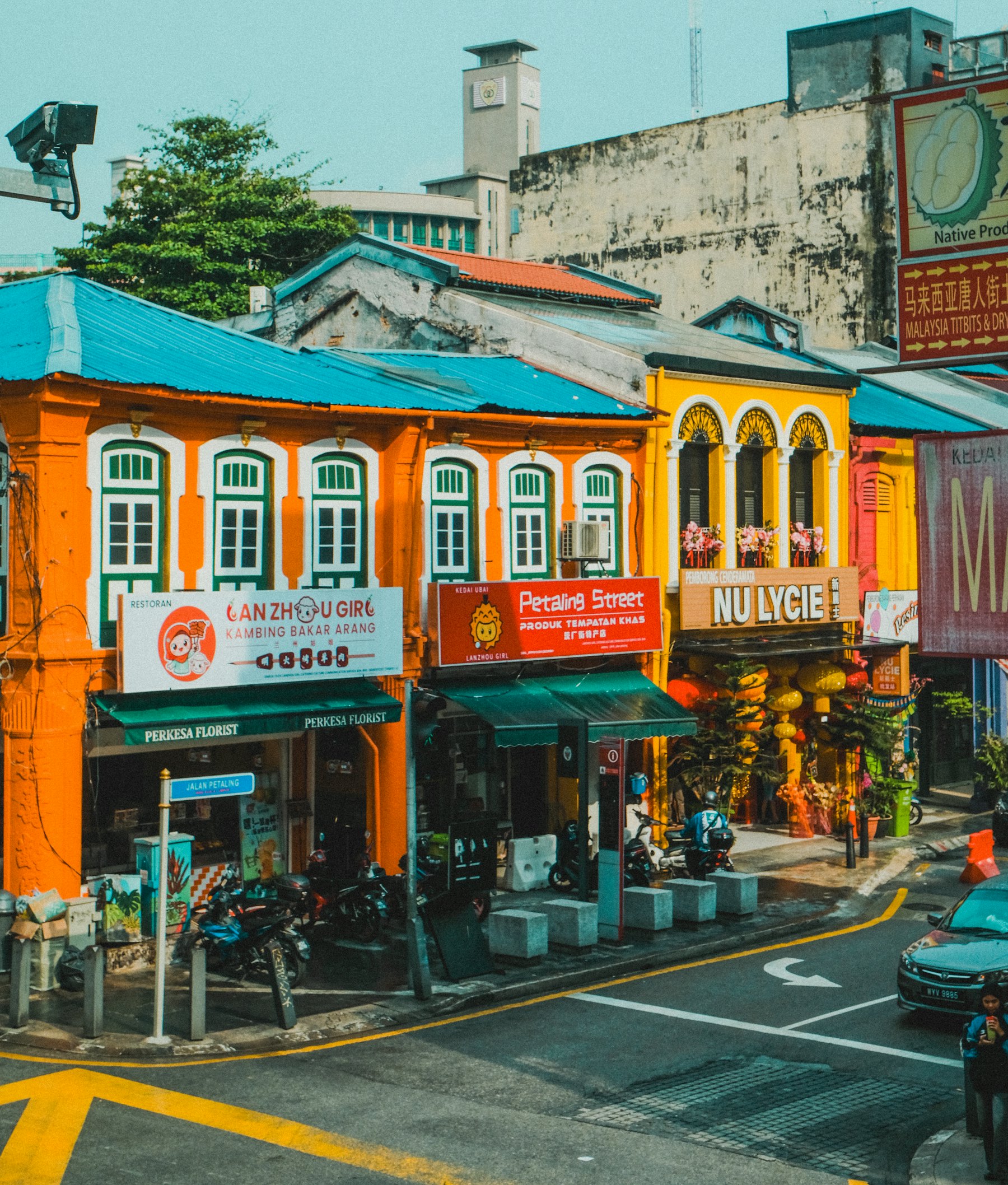
Two minutes early, always. The first regular is usually already outside.
-
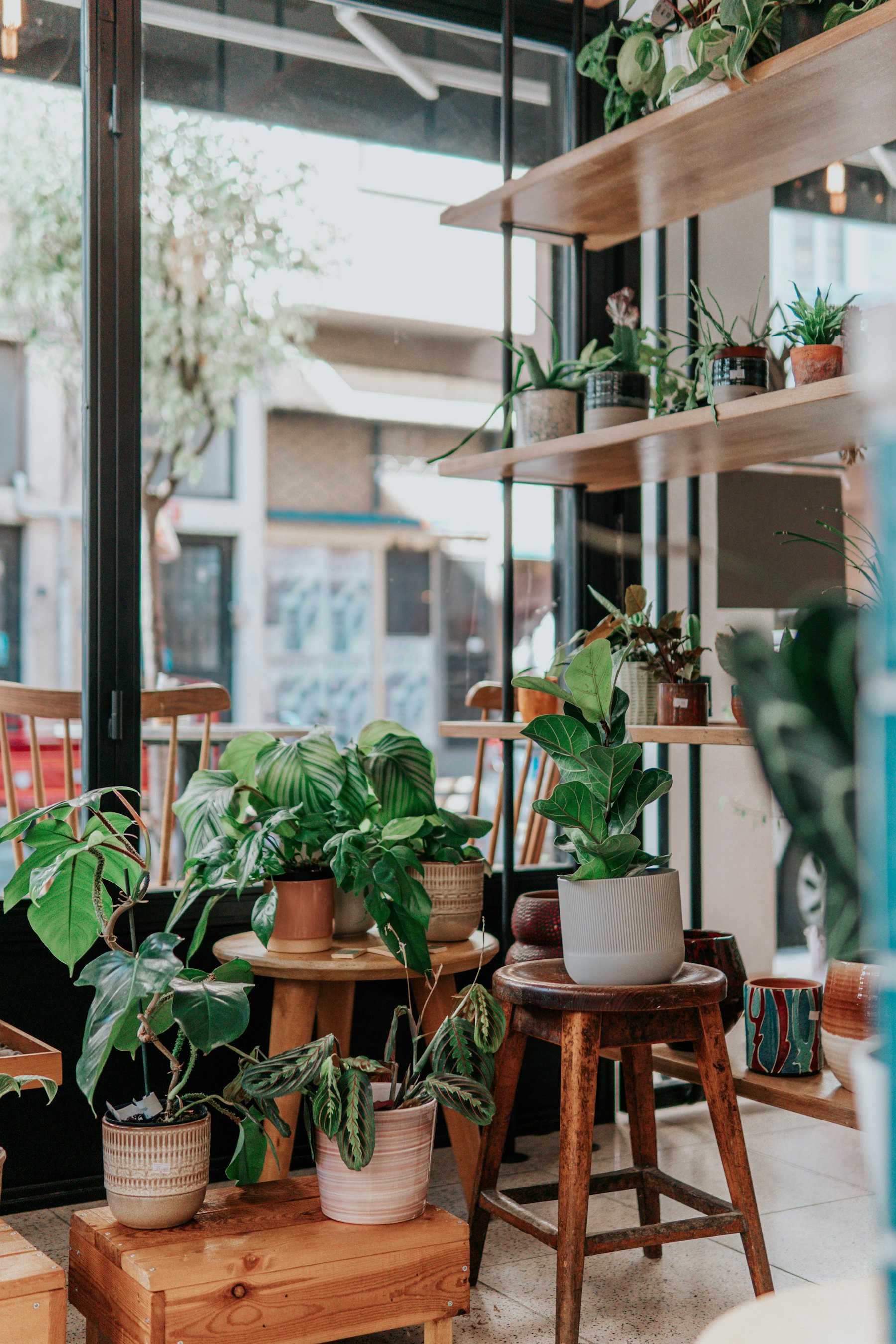
Light hits the basin
The sun clears the roofline and drops straight down the airwell into the copper basin.
-
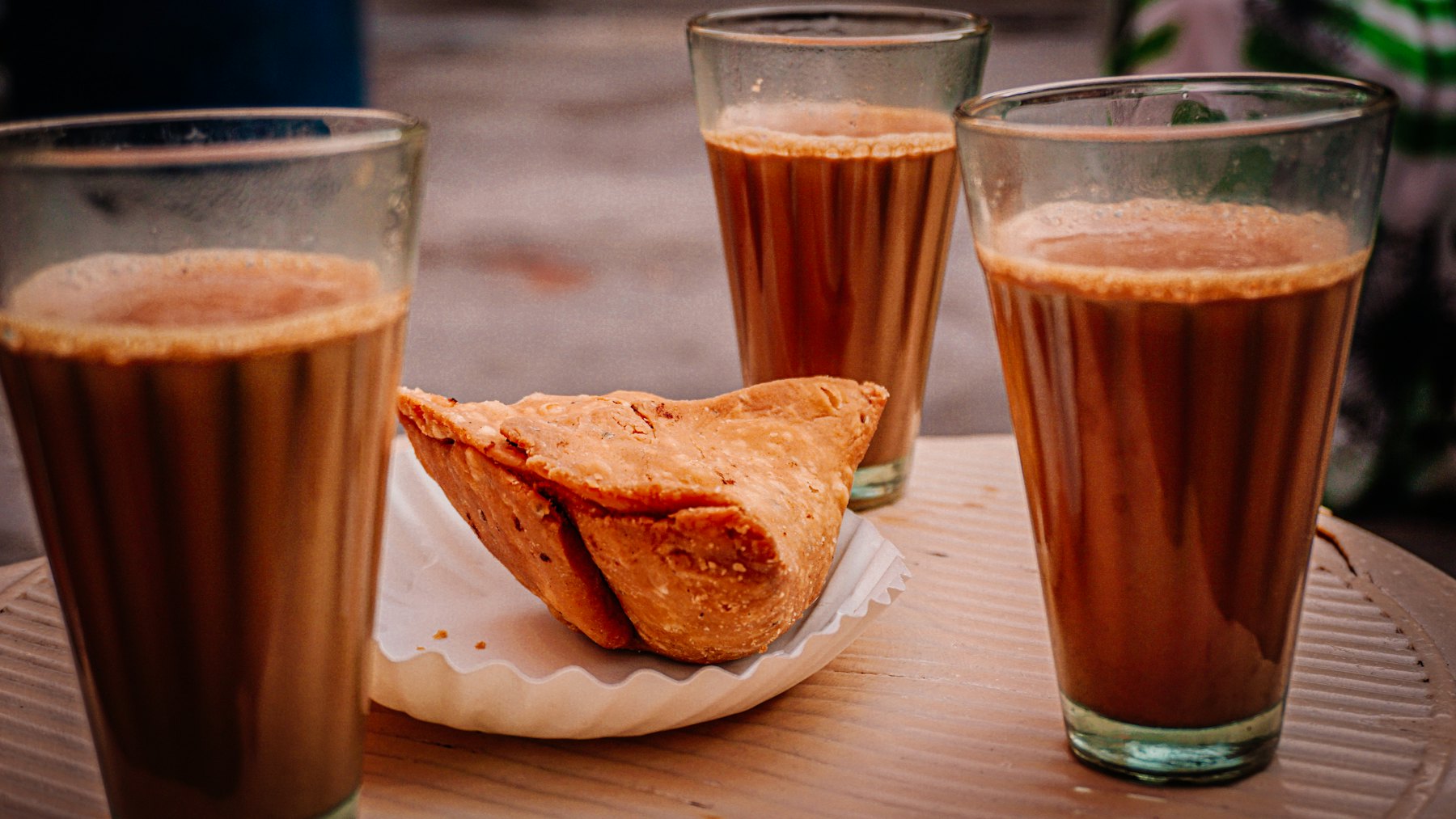
The afternoon rain
It rains inside. Nobody moves tables. Someone always orders another kopi.
-
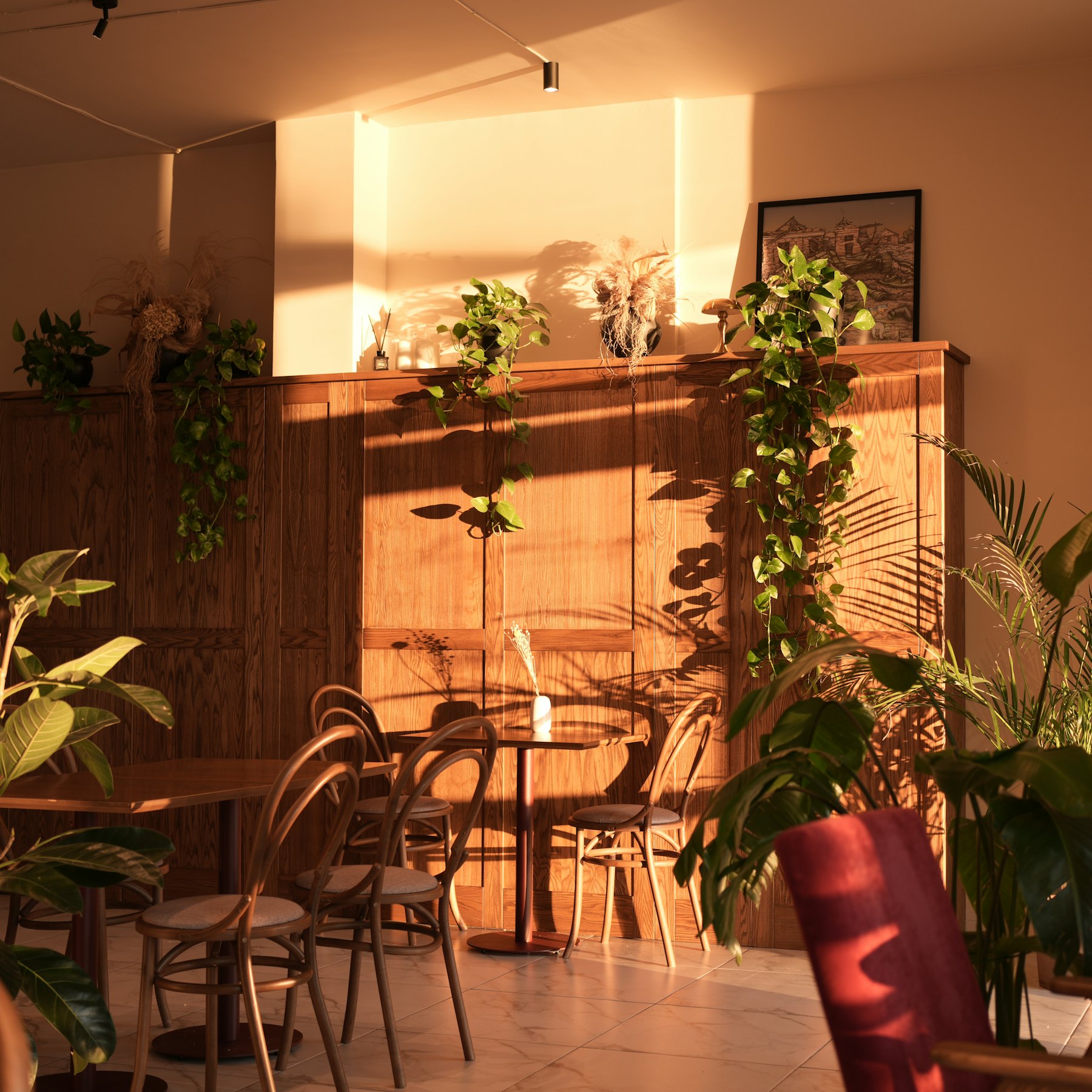
Lamps on
On Fridays and Saturdays the kitchen turns to dinner and the room goes amber.
Chapter three
Nothing here is rushed. Including you.
The cold drip takes eleven hours. The rendang takes eight. The croissant dough rests for three days. We'd rather run out than cut a corner, and we do run out, usually of kaya croissants by half past ten.
There are no laptops-off rules, no table time limits and no music before nine. If you want to sit under the airwell with one kopi-O until the rain stops, that is exactly what the room is for.
Chapter four
Where it comes from
Most of the menu is grown within a day's drive. The rest comes from people we have met.
- Liberica coffee 📍 Batu Pahat, Johor A smallholder co-op we buy from directly, every harvest.
- Gula apong 📍 Kuching, Sarawak Nipah palm sap, boiled down over wood fires.
- Ginger 📍 Bentong, Pahang Fibrous, fiery, and in half the menu.
- Cacao 📍 Tawau, Sabah Fermented on the estate, roasted by us.
- Pandan & ulam 📍 Our back lane Forty-two pots and counting.
Chapter five
Four people and an oven
-
Hana Rahim
Roasts every Monday in the back room. Will talk about Liberica for as long as you let her.
-
Daniel Lim
His grandfather wove rattan chairs in this building. Now he cooks rendang in it.
-
Priya Nair
Starts at five. Owns the oven, the laminator and the last kaya croissant.
-
Amir Hakimi
Knows your order by your second visit and your name by your third.
Chapter six
It rains inside.
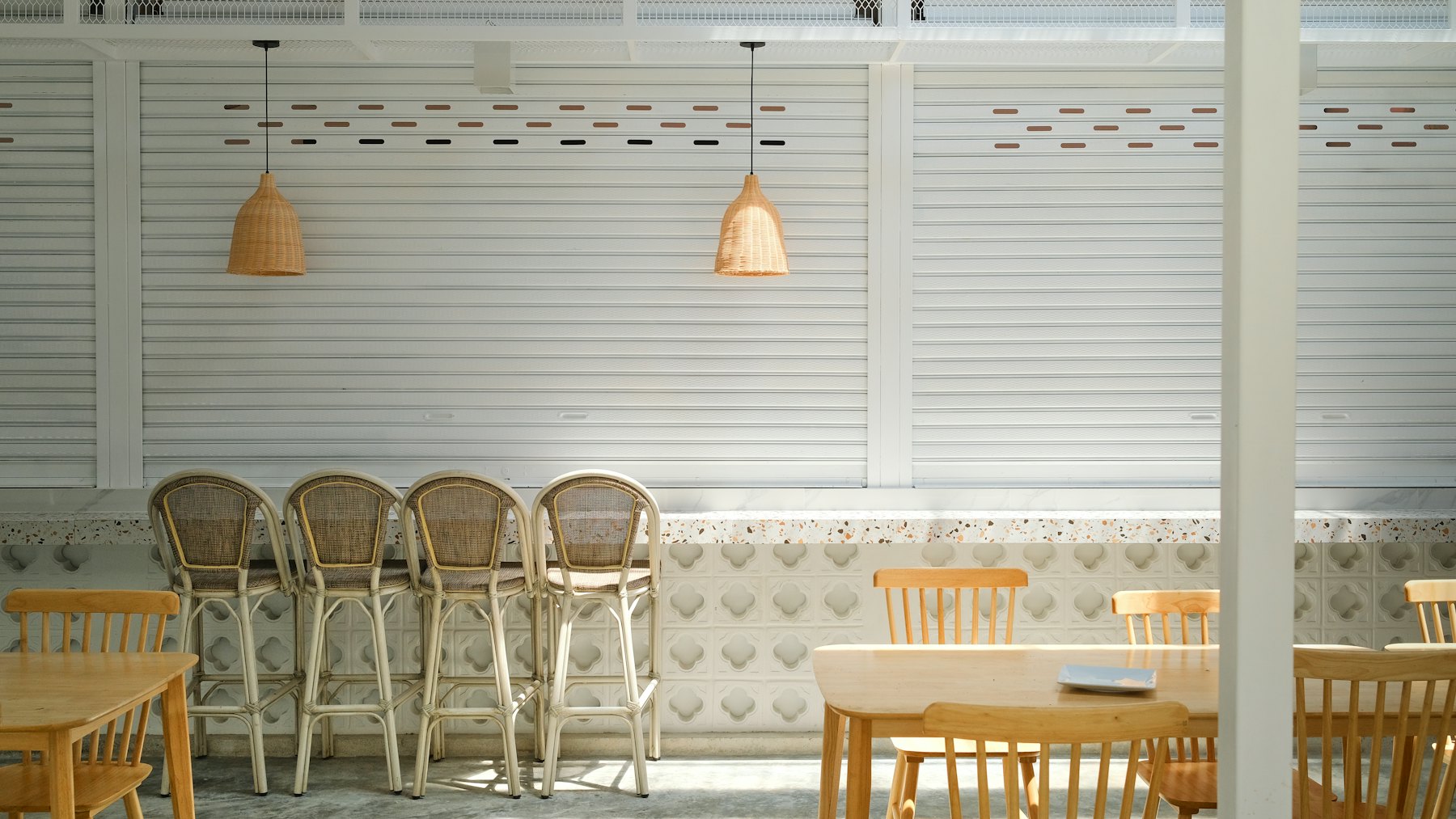
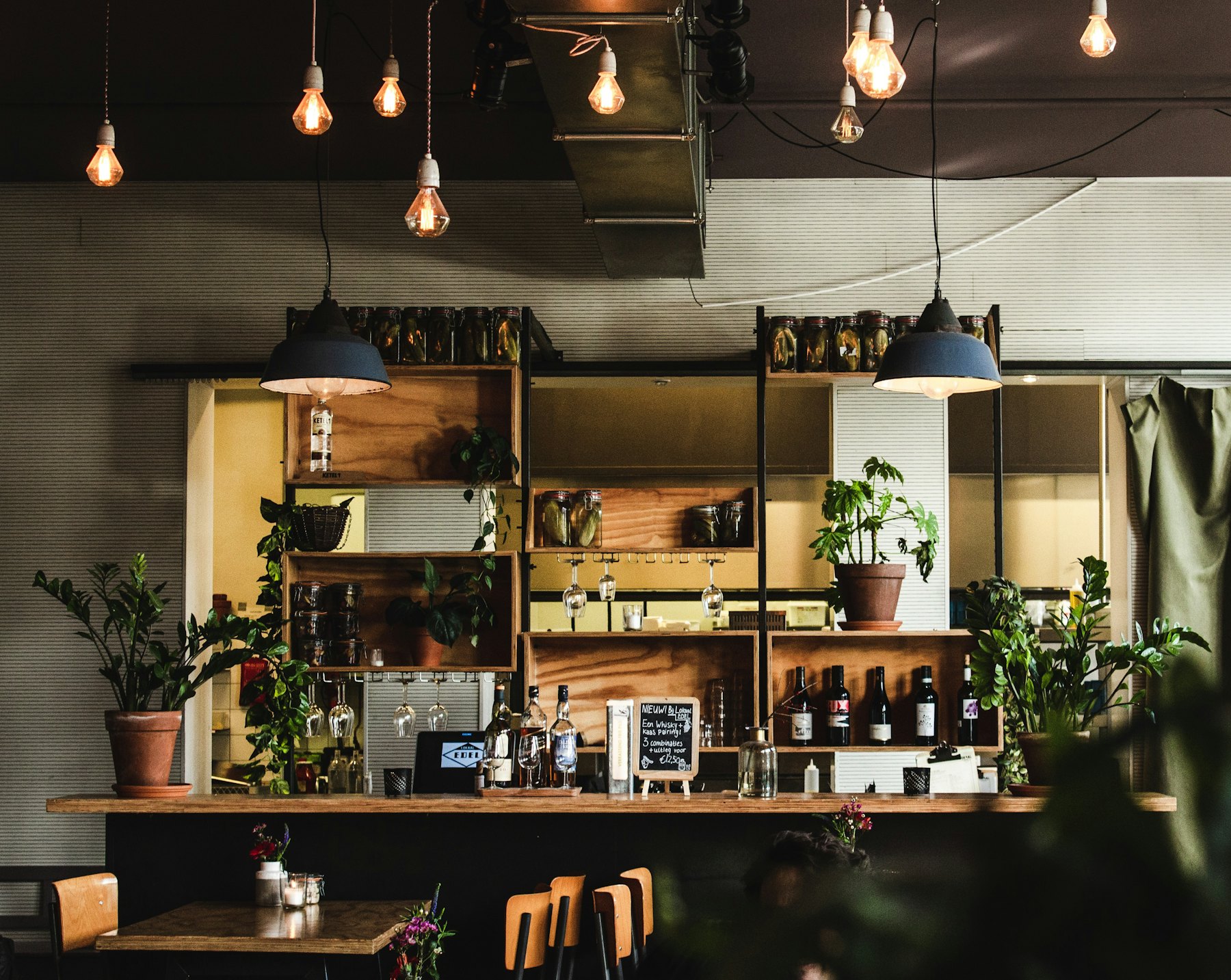
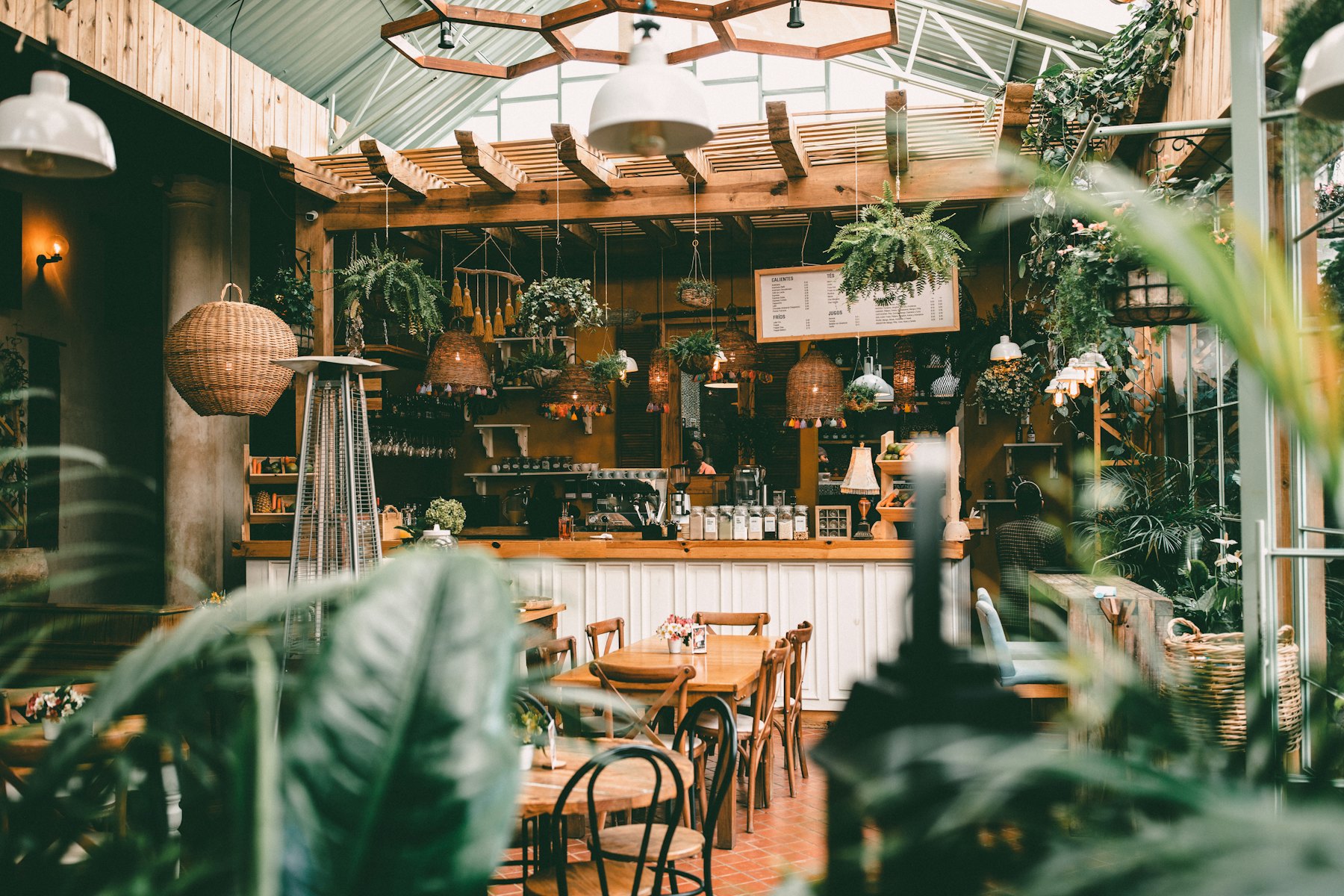
The airwell is open to the sky. When the afternoon storm comes, rain falls straight into a copper basin in the middle of the room. Regulars call it the kolam. The tables around it are the first to be booked.
The floor is the original laterite tile, the walls are lime-washed by hand every two years, and the shop sign above the door still says Kedai Rotan. We left it.
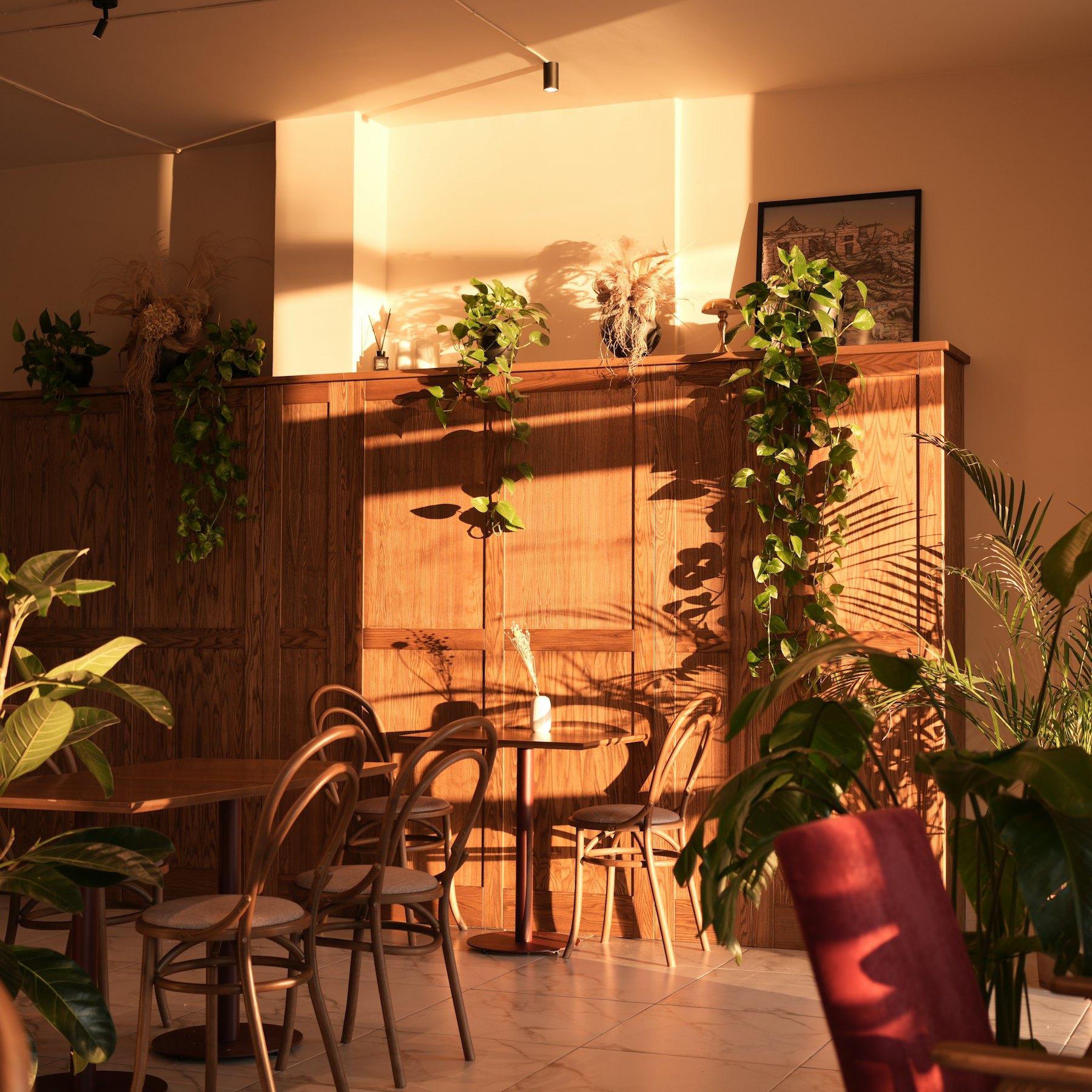
Chapter seven
The back lane, first Sunday of the month
Pagi Market
The growers who supply us set up tables in the back lane. Bring a bag.
Cupping Club
The one morning we open on a Monday. Taste the week's roast with Hana. Free, twelve seats.
Lamp Nights
A short dinner menu, low light, and house-brewed kombucha with roselle and ginger.